

Overview
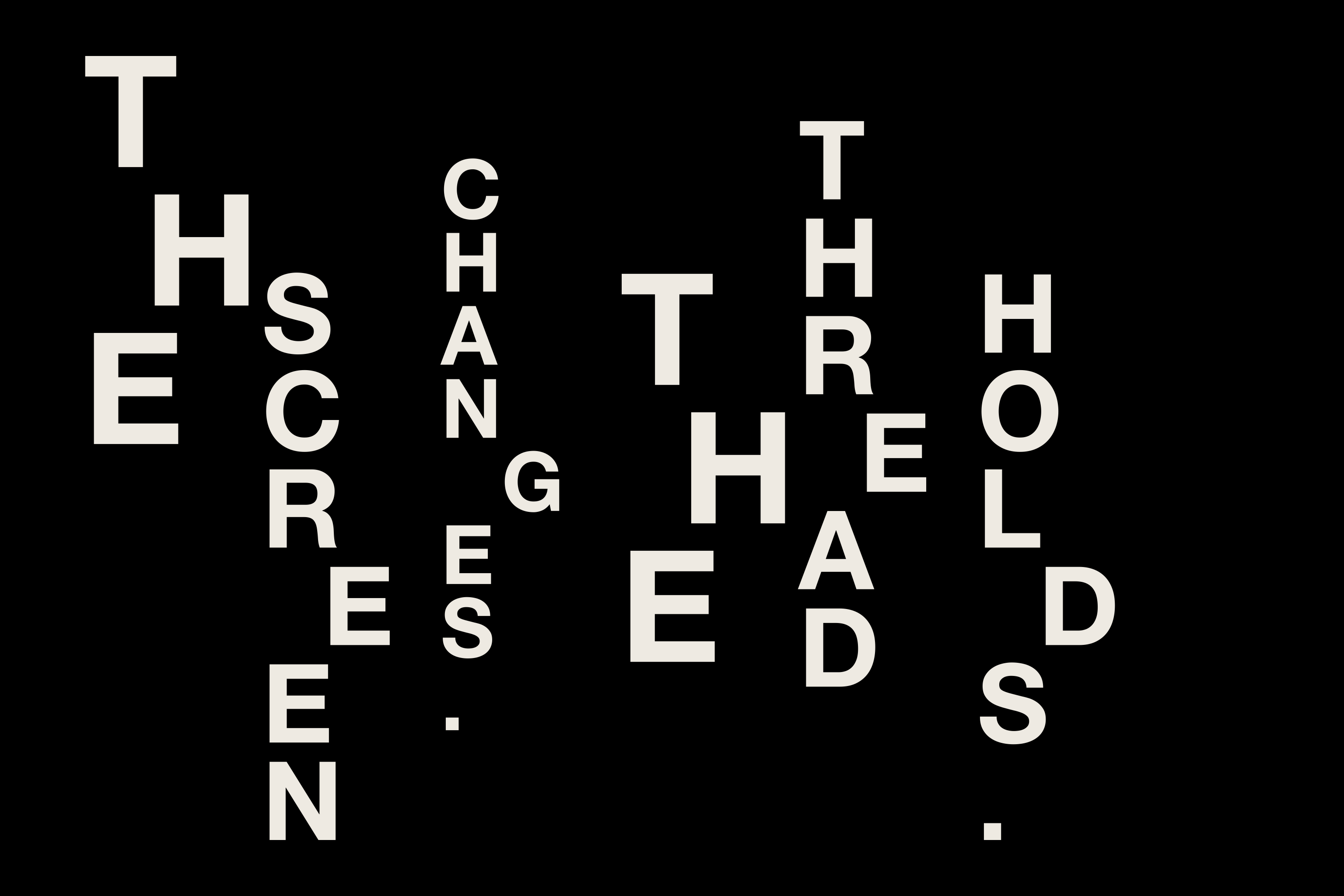
The way we work changes throughout the day. A conversation may begin on an iPhone while moving through the city, continue on an iPad with more space available, and later move to a larger screen at a desk. LILA now extends across iPhone and iPad as one native environment, adapting naturally to the space available while keeping conversations, projects, information, and access connected.
Purpose
The expansion to iPad is about continuity. An iPhone can remain the immediate and personal way to access LILA. An iPad offers more room when reading, communicating, reviewing information, or working through a project benefits from a larger space. The experience remains connected throughout. Moving from one screen to another does not mean entering a different version of LILA or starting again in a separate environment.
Structure
LILA responds to the space in which it is being used. On iPhone, the experience remains compact and immediate. On iPad, the same environment can make better use of a larger screen, giving conversations, projects, content, and visual information more room to breathe. When an iPad is connected to an external display, that experience can expand again. Rather than simply duplicating the iPad screen, LILA can continue as an active workspace on the larger display, with keyboard, trackpad, or mouse interaction supporting a more comfortable way to work. This allows LILA to move naturally from something held in the hand to a larger working space at the office, at home, or wherever it is useful.
Scope and Boundaries
The iPhone and iPad experience remains part of the same LABEL TO LABEL environment. There is no separate iPad account, separate LILA, or parallel workspace. Conversations, projects, information, permissions, and access remain connected to the same relationship. The size of the screen changes. The underlying environment does not.